
Image 1: Training participants. Photo Credit: eHealth4everyone eHealth4everyone’s DHIS2 beginner-to-advanced level training was a three-day event that held from the 15th to 17th of February, 2022, in Abuja, Nigeria. The DHIS2 training was organized to build the capacity and skills of the Institute of Human Virology Nigeria (IHVN) staff. The training served as a refresher[...]

Nigeria is currently facing a healthcare crisis that has resulted in many unnecessary deaths due to several challenges such as; overworked medical personnel, insufficient budgetary allocation amongst many others. In the wake of this, policymakers must be able to easily access relevant information to make decisions based on the limited resources available. Often, the reports[...]

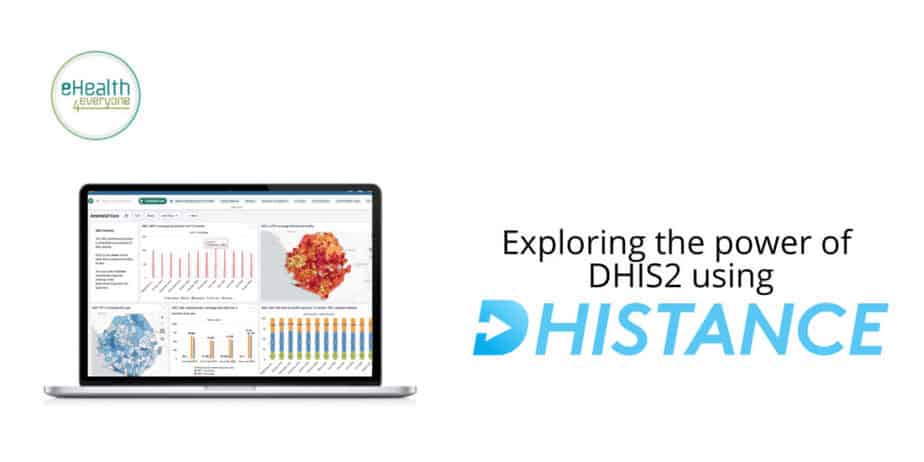
Using DHIS2 is one approach to improving health data management. In Nigeria, eHealth4everyone has supported the implementation and use of DHIS2 by the Federal Ministry of Health, and has been scaled nationwide. The adoption of DHIS2 by the Nigerian government is helping it get the necessary information needed for planning and evidence-based policy development for[...]

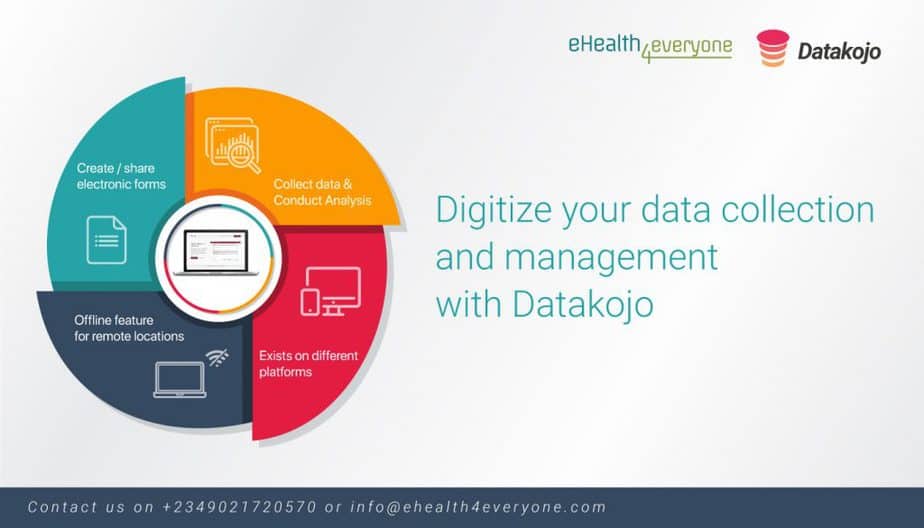
The most popular form of data collection is paper-based, but is it the most effective? Traditionally, collecting data for a research study has always been a time-consuming and tedious task, especially when using paper-based tools. Paper-based tools are vulnerable to loss, damage and error. Given that it is also not cost-effective, its management and analysis[...]

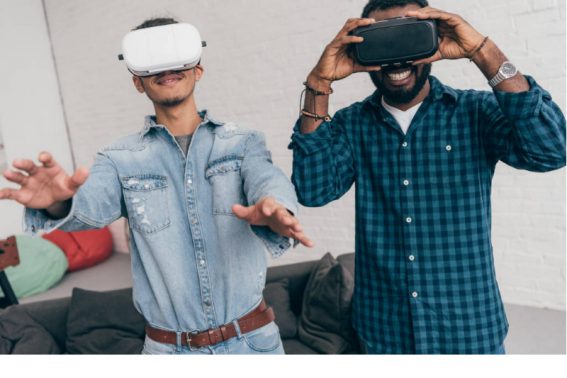

(Image source: robotics and automation news) Last month, we shared insights on how Virtual Reality (VR) can aid phobia treatment in the healthcare industry. In this post, we will take a look at another use case in VR and the focus would be on medical training in the 21st century. With the advent of new[...]



Imagine a scenario where you have a phobia for something (example fear of flying), and this could be solved by just sitting in a controlled environment, watching a movie or playing a game. Don’t you think that would be awesome? Although it’s not as simple as it sounds, virtual reality technology can help people get[...]


Virtual Reality (VR) is a computer generated environment with scenes and objects that appear to be real, making the user feel they are immersed in their surroundings. In technological terms, it involves the use of software to create an immersive simulated environment, which places the user inside an experience, where they can engage with the[...]

The importance of data collection, evaluation, and management has grown substantially throughout time. The concept of data is always changing and evolving. The database is an essential element of any software and management solution, as it aids in the scientific and systematic storage, organization, and management of data. To better understand the importance of a[...]



Digital technologies usage can be seen today at all levels of preventive care in low and middle income countries. They are used to improve outcomes by assisting health workers to maximize output, prioritize and allocate healthcare resources, predict at-risk populations and prevent high risks of poor outcomes when planning interventions. Suicide remains one of the[...]



Health data analytics involves practice–based research strategies by which experts and specialists retrieve, explore and explicate accessible qualitative and quantitative data from available records. Such records can include the electronic health records, which is very fundamental because of the accessibility of comprehensive and colossal volume of electronic health records (Simi & Sankara, 2017). Although seemingly[...]
